CONFINED SPACE ENTRY, SAFETY & RESCUE TRAINING
About Course
Confined Space Training
Course Overview
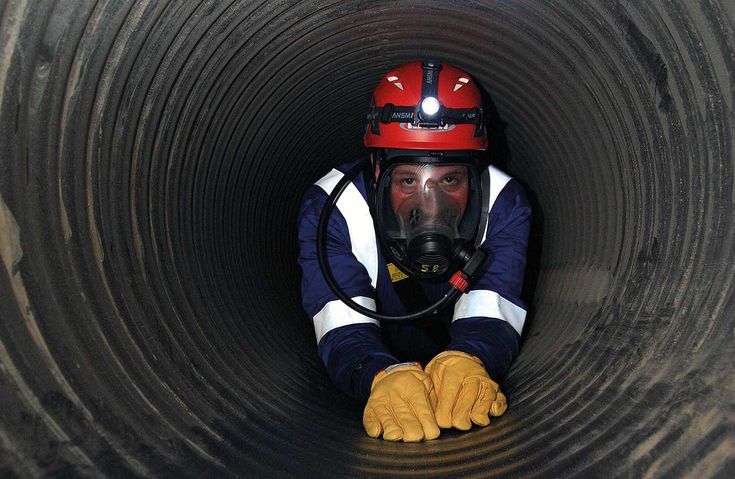
Confined spaces can expose workers to serious and potentially fatal hazards, including oxygen deficiency, toxic gases, flammable atmospheres, engulfment, entrapment, heat stress, mechanical hazards, electrical hazards and other physical hazards.
The Confined Space Entry, Safety & Rescue Training course provides participants with the knowledge and skills required to safely plan, assess, control and manage confined-space activities.
The course covers confined-space identification and regulation, hazard recognition, atmospheric monitoring, ventilation, personal and respiratory protective equipment, rescue procedures, retrieval systems, emergency trench operations and confined-space management systems.
Participants will learn how to identify hazards before entry, establish acceptable entry conditions, conduct atmospheric testing, implement appropriate control measures, establish communication and rescue arrangements, and respond appropriately to confined-space emergencies.
The course also introduces practical approaches to permit-to-work systems, pre-entry planning, emergency preparedness, non-entry rescue and retrieval operations.
Course Learning Outcomes
Upon successful completion of the course, participants should be able to:
-
Define and identify confined spaces.
-
Explain the hazards associated with confined-space work.
-
Identify applicable occupational safety and health requirements.
-
Conduct basic confined-space hazard identification and risk assessment.
-
Explain the purpose and requirements of confined-space entry permits.
-
Identify toxic, flammable, oxygen-deficient and oxygen-enriched atmospheres.
-
Explain acceptable entry conditions.
-
Understand the use and limitations of atmospheric monitoring equipment.
-
Explain confined-space ventilation principles.
-
Select appropriate personal and respiratory protective equipment.
-
Explain the roles and responsibilities of confined-space entrants, attendants and entry supervisors.
-
Establish appropriate communication procedures.
-
Explain confined-space emergency and rescue procedures.
-
Identify appropriate retrieval equipment and systems.
-
Explain basic knots, bends and hitches used in rescue operations.
-
Recognise hazards associated with emergency trench operations.
-
Explain the key elements of a confined-space management system.
-
Apply appropriate decision-making principles during confined-space emergencies.
Course Modules
Module 1: Confined Space Regulation and Pre-Incident Planning
-
Introduction to Confined Space
-
Confined Space Regulation
-
Pre-Incident Planning
Module 2: Hazards of Confined Spaces
-
Hazards of Confined Spaces
-
Toxic Atmospheres
-
Flammable Atmospheres
-
Asphyxiating Atmospheres
-
Oxygen Enriched Atmospheres
-
Physical Hazards
-
Heat Stress
-
Untrained Rescuers
-
Balancing Risks and Benefits
Module 3: Monitoring Hazardous Atmospheres
-
Monitoring Hazardous Atmospheres
-
Determining Acceptable Entry Conditions
-
Oxygen Meters
-
Combustible Gas Indicators
-
Carbon Monoxide and Hydrogen Sulfide Meters
Module 4: Ventilating Confined Spaces
-
Confined Space Ventilation
-
Ventilation Devices and Safety
-
Determinants of Confined Space Ventilation
-
Ventilation Tactics
-
Inspection and Maintenance
-
Ventilation Safety
Module 5: Confined Space Rescue Equipment and Procedures
-
Personal and Respiratory Protective Equipment
-
Protective Clothing
-
Rescue Procedures
-
Communication
-
Decontamination
Module 6: Retrieval Systems
-
Retrieval Systems
-
Knots, Bends, Hitches
-
Rescue and Lowering Systems
Module 7: Emergency Trench Operations
-
Emergency Trench Operations
-
Protective Systems
-
Trench Procedures
-
Unsafe Trench Conditions
Module 8: Confined Space Management System
-
Confined Space Management System
-
Incident Management for Confined Space Incidents and Rescues
Assessment and Certification
Participants will be required to complete the prescribed course lessons and assessments. Knowledge will be evaluated through lesson and module assessments, followed by a final examination.
Where practical assessment is included, participants will also be assessed on relevant confined-space competencies, including hazard identification, atmospheric monitoring, PPE selection, communication, retrieval systems and emergency response.
Certification will be based on successful completion of the applicable learning and assessment requirements.
The course is intended to complement, and not replace, workplace-specific risk assessments, safe work procedures, permit-to-work systems, emergency plans, competent-person requirements, equipment manufacturer’s instructions and applicable occupational safety and health legislation.
Course Content
Module 1: Confined Space Regulation and Pre-Incident Planning
-
Introduction to Confined Space
-
Confined Space Regulation
-
Pre-Incident Planning
-
Module 1 Assessment – Confined Space Regulation and Pre-Incident Planning
Student Ratings & Reviews
